Mold Mitigation Service in Bergen County, NJ
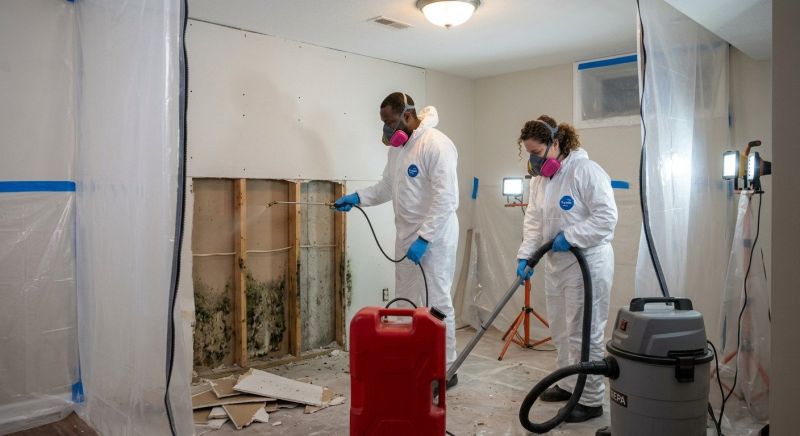
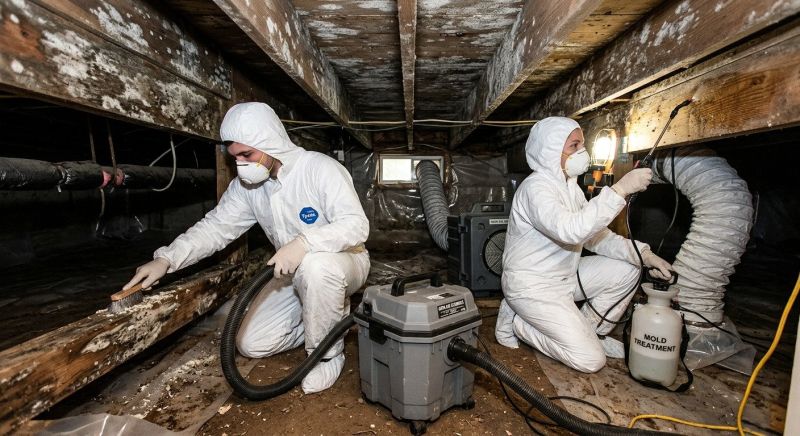
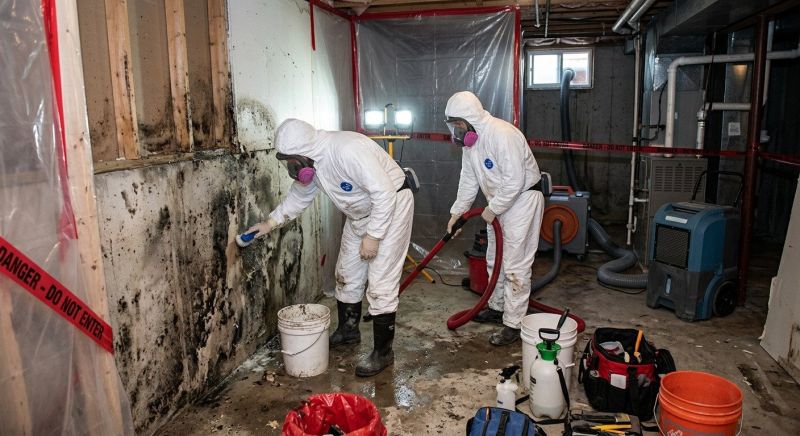
Mold mitigation services focus on identifying and removing mold growth from residential properties, helping to improve indoor air quality and protect the structural integrity of a home. These projects typically involve assessing affected areas, containing mold-contaminated zones to prevent spread, and implementing removal techniques to eliminate visible mold and spores. Property owners often request mold mitigation when noticing signs such as a musty odor, visible mold patches, or health symptoms related to mold exposure, especially after water damage or high humidity periods.
Before requesting mold mitigation, homeowners should understand the extent of mold growth and whether it has penetrated surfaces like drywall, insulation, or wood. It’s also helpful to know if there’s been recent water intrusion or ongoing moisture issues, as these factors influence the scope of work needed. Clarifying concerns about indoor air quality, potential health impacts, and the presence of sensitive occupants can assist in planning effective mold removal strategies. Proper assessment and communication ensure that the mitigation process addresses both visible mold and underlying moisture sources.
Many property owners in Bergen County, NJ look into Mold Mitigation Service for repairs, replacements, upgrades, and appearance-related improvements.
Identifying Mold Growth
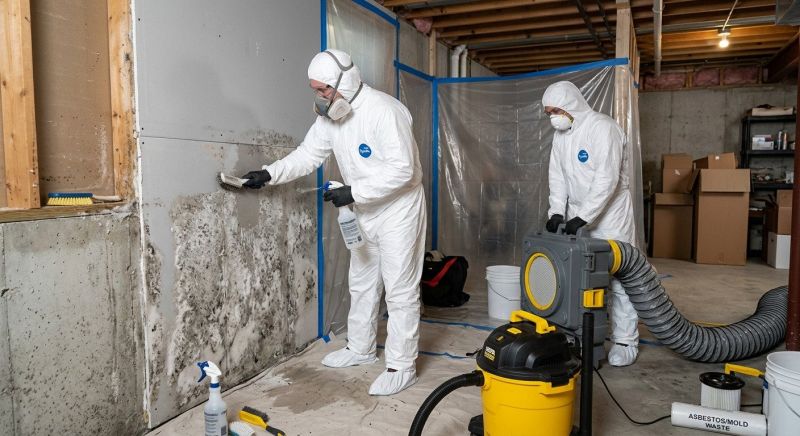
Detecting mold in areas prone to moisture, such as basements and bathrooms, is essential for property health.
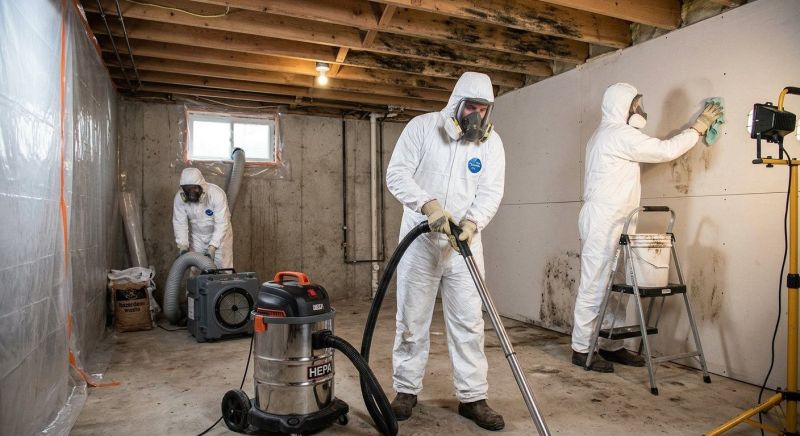
Mold Removal Techniques
Effective mitigation involves safely removing mold and preventing its return through proper cleaning and drying methods.
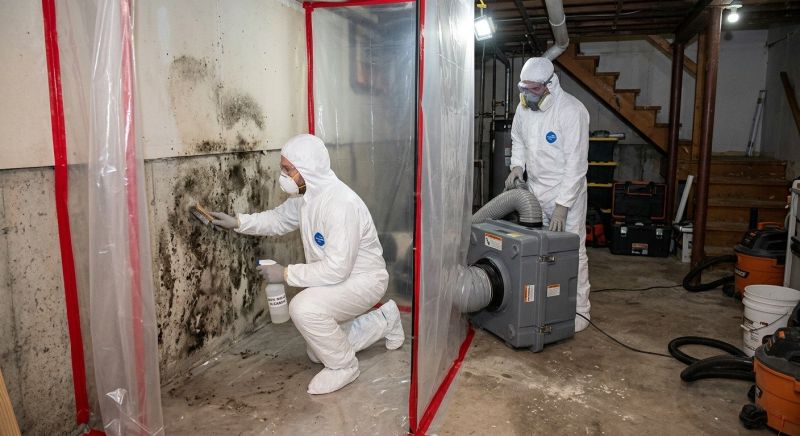
Preventive Measures
Implementing moisture control and ventilation strategies helps protect bergen county homes from future mold issues.
Mold Mitigation Service in Bergen County, NJ
Mold mitigation services focus on identifying and removing mold growth from residential properties, helping to improve indoor air quality and protect the structural integrity of a home. These projects typically involve assessing affected areas, containing mold-contaminated zones to prevent spread, and implementing removal techniques to eliminate visible mold and spores. Property owners often request mold mitigation when noticing signs such as a musty odor, visible mold patches, or health symptoms related to mold exposure, especially after water damage or high humidity periods.
Before requesting mold mitigation, homeowners should understand the extent of mold growth and whether it has penetrated surfaces like drywall, insulation, or wood. It’s also helpful to know if there’s been recent water intrusion or ongoing moisture issues, as these factors influence the scope of work needed. Clarifying concerns about indoor air quality, potential health impacts, and the presence of sensitive occupants can assist in planning effective mold removal strategies. Proper assessment and communication ensure that the mitigation process addresses both visible mold and underlying moisture sources.
Many property owners in Bergen County, NJ look into Mold Mitigation Service for repairs, replacements, upgrades, and appearance-related improvements.
Common Mold Mitigation Service Jobs
Mold Remediation - removal of visible mold and affected materials to improve indoor air quality.
Water Damage Cleanup - drying and restoring areas impacted by leaks or flooding to prevent mold growth.
Attic and Basement Mold Prevention - treatment and sealing to reduce moisture buildup in common problem areas.
Surface Cleaning and Disinfection - thorough cleaning of mold-prone surfaces to inhibit future mold development.
Moisture Inspection - identifying sources of excess humidity or leaks that contribute to mold issues.
Mold Growth Monitoring - ongoing assessments to ensure mold does not return after mitigation efforts.
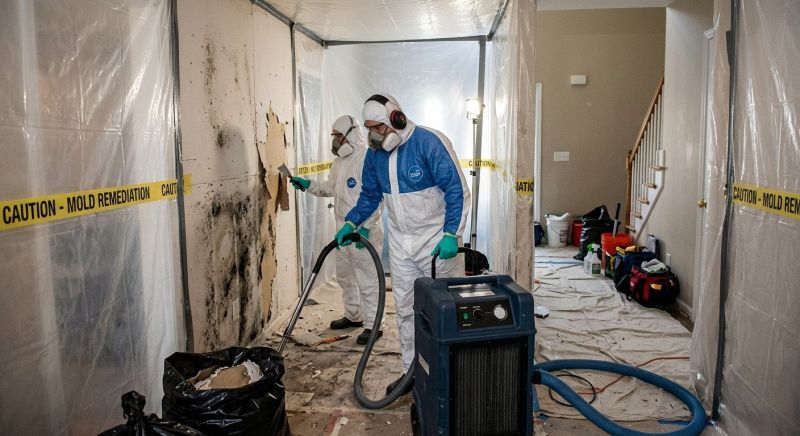
Mold Mitigation Service Questions
What areas do mold mitigation services cover? Mold mitigation services typically address affected areas inside homes and properties, including basements, bathrooms, attics, and HVAC systems to remove mold and prevent its spread.
What types of mold issues are commonly addressed? Services often handle common mold problems caused by water leaks, high humidity, or poor ventilation that can lead to visible mold growth or musty odors.
How can property owners prevent mold recurrence? Proper moisture control, fixing leaks promptly, and ensuring good ventilation are key steps to help prevent mold from returning after mitigation.
What should property owners know about mold mitigation procedures? The process involves identifying mold sources, containing affected areas, removing mold growth, and restoring the space to a clean, dry condition.
Request Mold Mitigation Service in Bergen County, NJ
Use the quote form on this page to share the basics of your project and request more information for the type of work you need.